


Beta-reading is the process of reading a manuscript, often before it’s been published, to provide feedback to the author. Beta readers focus on aspects like plot development, character consistency, pacing, and overall readability, giving constructive criticism to help refine the story. They are different from professional editors or proofreaders, as their role is more about providing a reader’s perspective rather than technical or stylistic edits. Beta-reading is a collaborative step in the writing process, where an author relies on early readers to highlight both strengths and weaknesses in the story.
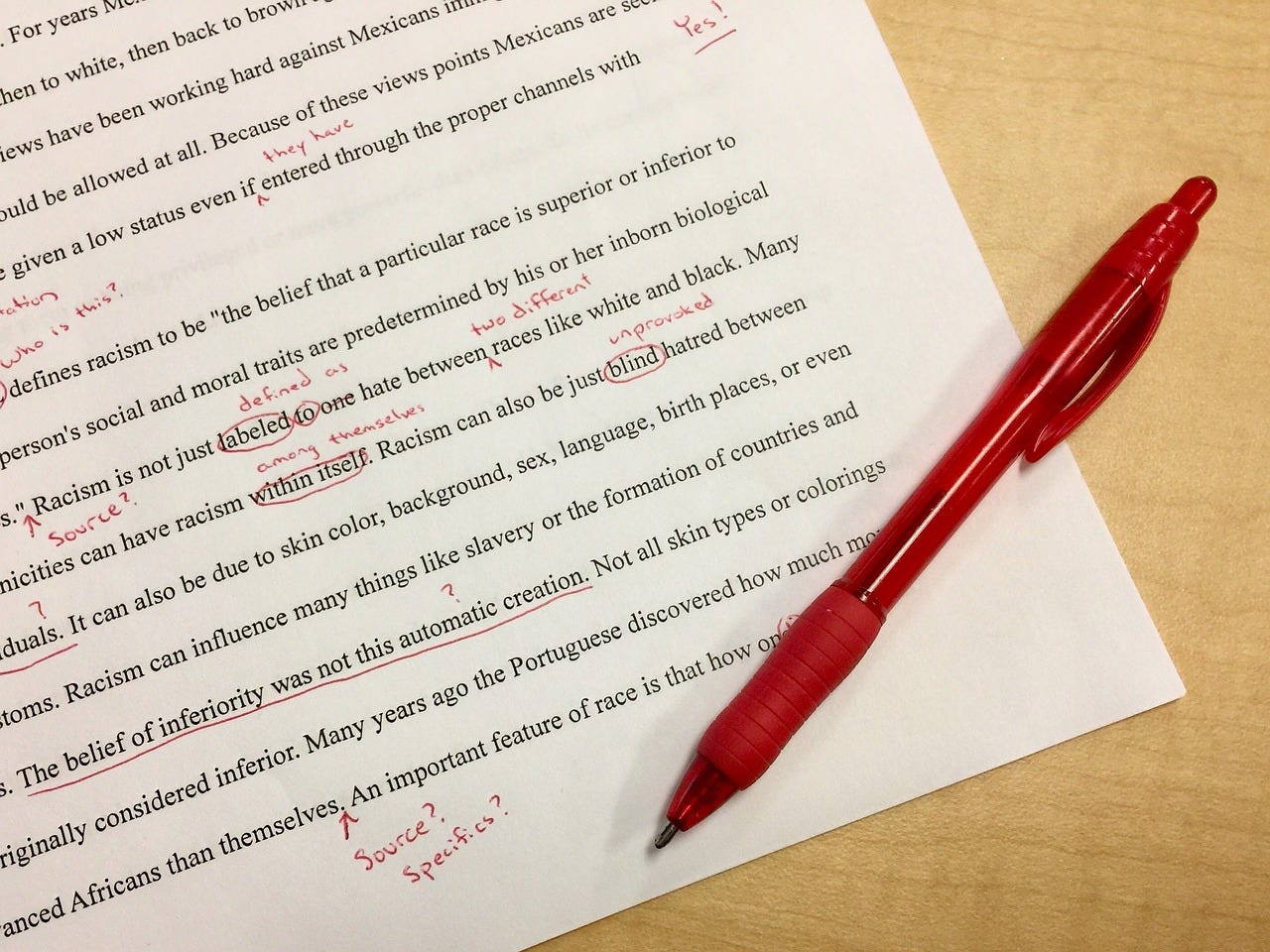
Benefits of beta-reading:
Improves Critical Thinking: As a beta reader, you evaluate someone else's work critically, which helps you develop a more analytical approach to your own writing. You become more aware of issues like pacing, character development, plot holes, and inconsistencies.
Enhances Understanding of Structure: By seeing how others structure their narratives, you can better understand what works and what doesn't in terms of storytelling, scene transitions, and chapter pacing.
Builds Editing Skills: Beta reading forces you to focus on editing, whether at a macro level (story arc, theme) or micro level (grammar, sentence flow). This can improve your self-editing abilities.
Expands Vocabulary and Style: Exposure to different writing styles can inspire new ways of writing and help you diversify your own style, particularly if you’re reading outside your preferred genres.
Teaches Empathy for Readers: Understanding the reader’s perspective is crucial, and beta reading gives you insight into how your writing may come across to others. This can lead you to write with more clarity and intention.